
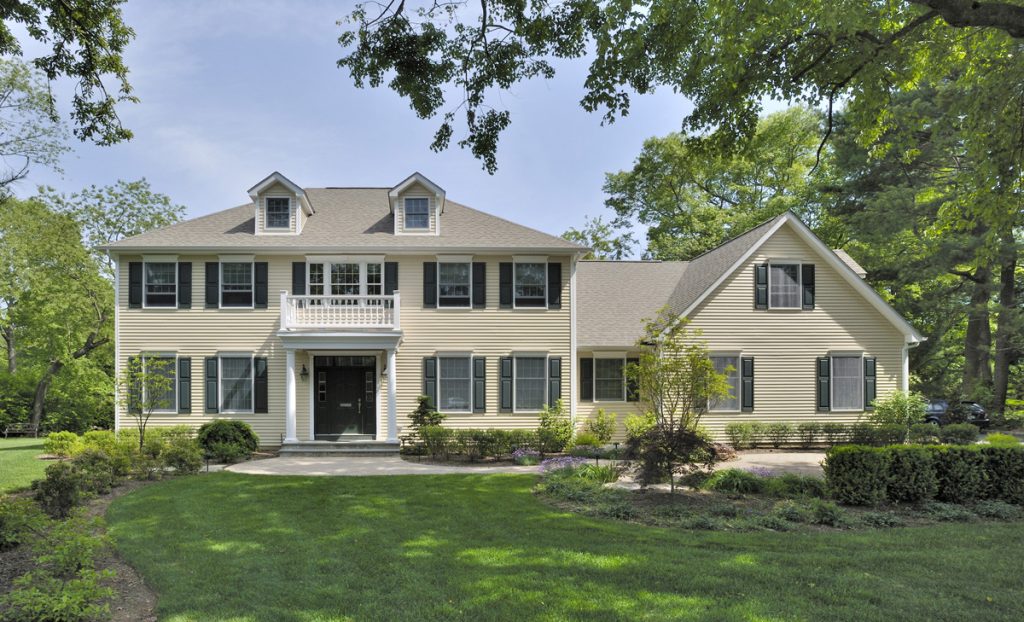
If you’re exploring the idea of building a modular home, one of the first questions that comes to mind is: How long will the process actually take?
The answer surprises many buyers. In most cases, a modular home can be completed in roughly six to twelve months from the initial planning stage to move-in day. While every project is different, modular construction is often significantly faster than traditional site-built construction because large portions of the home are built off-site while foundation and site work happen simultaneously.
From the earliest planning stages through final installation, the team here at Design Build Modular works closely with clients to keep every phase of the project moving forward smoothly. Clear communication, coordinated scheduling, and proactive project management keep homeowners informed throughout the entire building process.
Why Modular Homes Are Built Faster
Traditional home construction happens step by step, entirely on-site. Builders frame the structure outdoors, wait for inspections, schedule subcontractors, and work around weather delays that can slow progress for weeks at a time.
Modular construction follows a different approach. While the property is being prepared, the home itself is being constructed inside a climate-controlled factory. Because these two phases happen at the same time, the overall modular construction schedule is dramatically shortened.
Indoor construction also reduces many of the common delays associated with rain, snow, humidity, and material exposure. Crews can work consistently, quality control is tighter, and timelines become far more predictable.
Understanding the Modular Home Timeline
Although timelines vary depending on the size and complexity of the home, most modular projects move through several major phases.
The process begins with planning and design. During this stage, homeowners work with the builder to select a floor plan, customize layouts, choose finishes, and finalize pricing. Some projects move quickly, while custom designs may require additional time for revisions and approvals.
Once the design is complete, permits and engineering approvals are submitted to the local municipality. This part of the process can vary widely depending on the town or county. In some areas, approvals happen quickly, while in others, zoning reviews and permit backlogs can extend the timeline by several weeks. After the initial permits are approved, site preparation and factory construction can often happen simultaneously, helping keep the project moving efficiently and shortening the overall timeline.
Meanwhile, the home itself is being built in the factory. This phase is one of the biggest advantages of modular construction. Walls, flooring, electrical systems, plumbing, cabinetry, and many interior finishes are often completed before the home ever reaches the property.
Once factory construction is complete, the modules are transported to the site and carefully set onto the foundation using cranes. Many homeowners are amazed to see the structure assembled in just a day or two.
After installation, crews complete the final finish work, including utility connections, exterior details, inspections, and interior touch-ups. Once inspections are approved, the home is ready for occupancy.
What Can Affect the Construction Schedule?
Even though modular homes are typically faster to complete, there are still factors that can influence the timeline.
Customization plays a major role. A fully custom modular home naturally takes longer than a more standardized design. Permit timelines also vary depending on local regulations and municipal workload.
Site conditions can also impact progress. Properties with steep grades, poor soil conditions, or extensive utility work may require additional preparation before installation can occur.
Weather is less disruptive in modular construction than traditional building, but outdoor work, such as excavation and foundation pouring, can still experience delays during severe conditions.
Faster Doesn’t Mean Lower Quality
Some buyers assume a shorter timeline means corners are being cut. In reality, modern modular homes are built to the same building codes as traditional homes and often exceed them in certain areas.
Factory construction allows for greater precision, tighter quality control, and consistent workmanship. Materials remain protected from weather exposure during construction, and the controlled environment helps reduce issues that can occur on traditional job sites.
Final Thoughts
So, how long does it really take to build a modular house?
While every project is unique, modular construction offers one of the fastest and most efficient paths to homeownership. By combining factory-built precision with simultaneous site preparation, homeowners can often move into their new home months sooner than with traditional construction. For buyers looking for a more predictable building experience without sacrificing quality or customization, modular homes continue to be an increasingly attractive solution.
About Design Build Modular
Design Build Modular is a full‑service design‑build firm specializing in high‑performance modular homes tailored to each site and client. We guide homeowners through every step of the process—from initial concept and budgeting through permitting, factory coordination, and on‑site completion—to deliver efficient, resilient, and beautifully designed homes. With a focus on quality, customization, and efficiency, we help homeowners and developers bring their visions to life through innovative modular technology. From initial planning to final installation, our team delivers a seamless, transparent building experience.
Ready to build your dream home? Contact us today at (203) 790-7777 for a complimentary consultation or take 3D tours of some of the beautiful modular homes we have built across New England.