
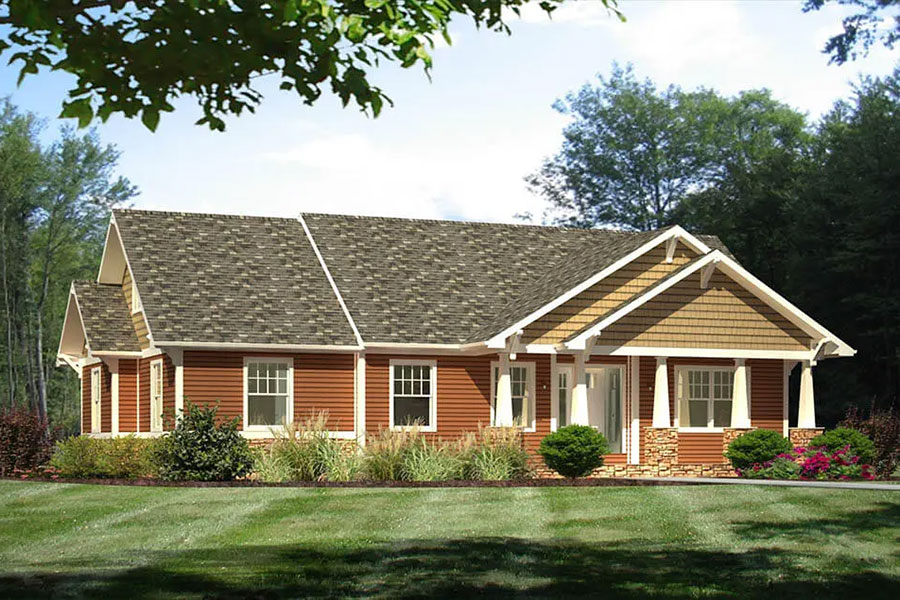
Building a modular home is an exciting step toward creating a high-quality, energy-efficient home in less time than traditional construction. Here at Design Build Modular, we work closely with homeowners to coordinate the building process from planning through installation. While the home itself is built in a factory, the success of the project still depends heavily on what happens at the property before the modules arrive. Thoughtful site preparation helps ensure the home can be delivered, set, and finished without unnecessary delays.
Start with the Site Evaluation
The first step is evaluating the property. This typically includes a survey, soil testing, and a review of local zoning requirements. These early steps help determine whether the land can support the planned foundation and whether grading or drainage adjustments will be needed.
A careful evaluation also identifies conditions such as slope, rock, wetlands, or heavy tree coverage that could affect site prep for modular construction. Addressing these factors early allows for accurate planning to avoid surprises with the project later on.
Clearing the Land
Clearing land for a modular home creates the space needed for excavation, foundation work, and delivery access. This may involve removing trees, brush, stumps, and large rocks from the building area.
Equally important is leaving enough open space for delivery trucks and cranes on installation day. Modular homes arrive in large sections, so contractors often plan a staging area where the modules can be positioned and lifted into place.
Grading and Drainage
Once the site is cleared, the land is graded to create a stable building surface and proper drainage. Careful grading helps prevent water from collecting around the foundation and supports long-term durability. Even with modular construction’s precision, proper drainage planning remains a critical part of site prep for modular construction.
Building the Foundation
Like any new home, a modular house requires a permanent foundation. After excavation and grading are complete, the foundation is installed and inspected before the home is delivered.
Common foundation types include basements, crawl spaces, and slab foundations. Precise measurements are essential so that when the modular sections arrive, they align perfectly with the foundation.
Planning Utilities and Access
Preparing the property also involves installing or planning the necessary utilities such as water and electrical service, gas or propane lines, and more. Much of this work is completed during site preparation so the home can be quickly connected once it is installed.
Access planning is equally important. Because modular sections are delivered by large trucks and set with a crane, the driveway and surrounding area must allow safe access for equipment on installation day.
Your Modular Build, Simplified
While there is a lot of property preparation required for a new build, having the right team in your corner makes all the difference. At Design Build Modular, the path from empty lot to finished home is smooth, efficient, and worry-free. Our expertise keeps your project on track, letting you focus on the excitement of moving into a home designed and built for your life.”
Design Build Modular is a full‑service design‑build firm specializing in high‑performance modular homes tailored to each site and client. We guide homeowners through every step of the process—from initial concept and budgeting through permitting, factory coordination, and on‑site completion—to deliver efficient, resilient, and beautifully designed homes. With a focus on quality, customization, and efficiency, we help homeowners and developers bring their visions to life through innovative modular technology. From initial planning to final installation, our team delivers a seamless, transparent building experience.
Ready to build your dream home? Contact us today at (203) 790-7777 for a complimentary consultation or take 3D tours of some of the beautiful modular homes we have built across New England.